May 1, 2026
Opinions
Opinions
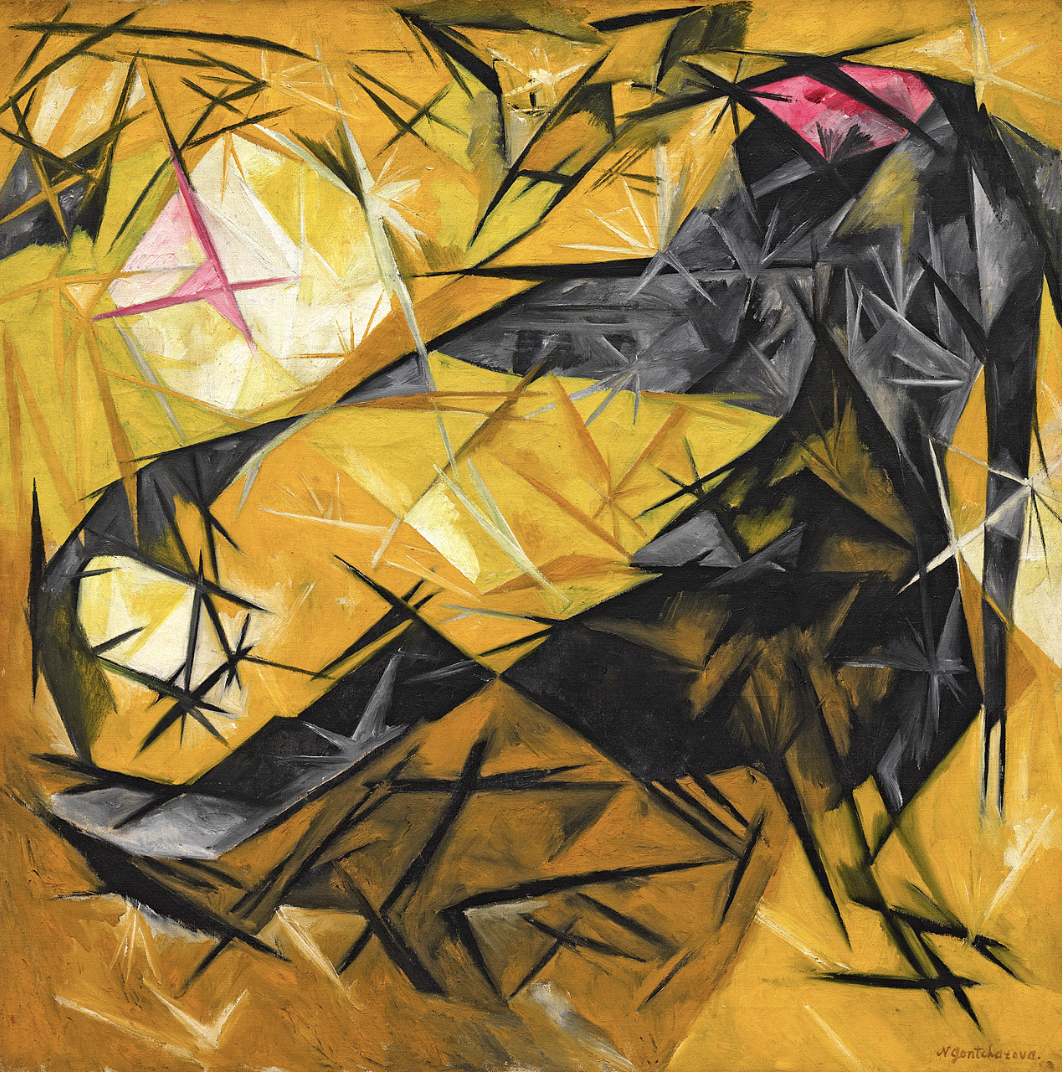
Cara explores how Natalia Goncharova redirects the ambitious, often technologically oriented rhetoric of Russian avant-garde abstraction toward an intimate and playful subject: domestic cats.


The Whitney Biennial, a survey of American art begun in 1932, has long been a platform for a wide range of artistic representation. The exhibition for 2022, titled Quiet As It’s Kept, is made up of a diverse array of mediums, covering themes of abstraction, narrative, and the challenge of defining what is “American.” Two of the featured artists are currently based in Providence: Tony Cokes and Michael E. Smith. Cokes’ work consists of video installations which recycle the words of notable figures from Judith Butler to John Lewis, juxtaposed against brightly colored slideshows. Smith is a sculptor, transforming common objects to create social commentary. The exhibition will remain open on partial viewing through October 16th.
Cara explores how Natalia Goncharova redirects the ambitious, often technologically oriented rhetoric of Russian avant-garde abstraction toward an intimate and playful subject: domestic cats.
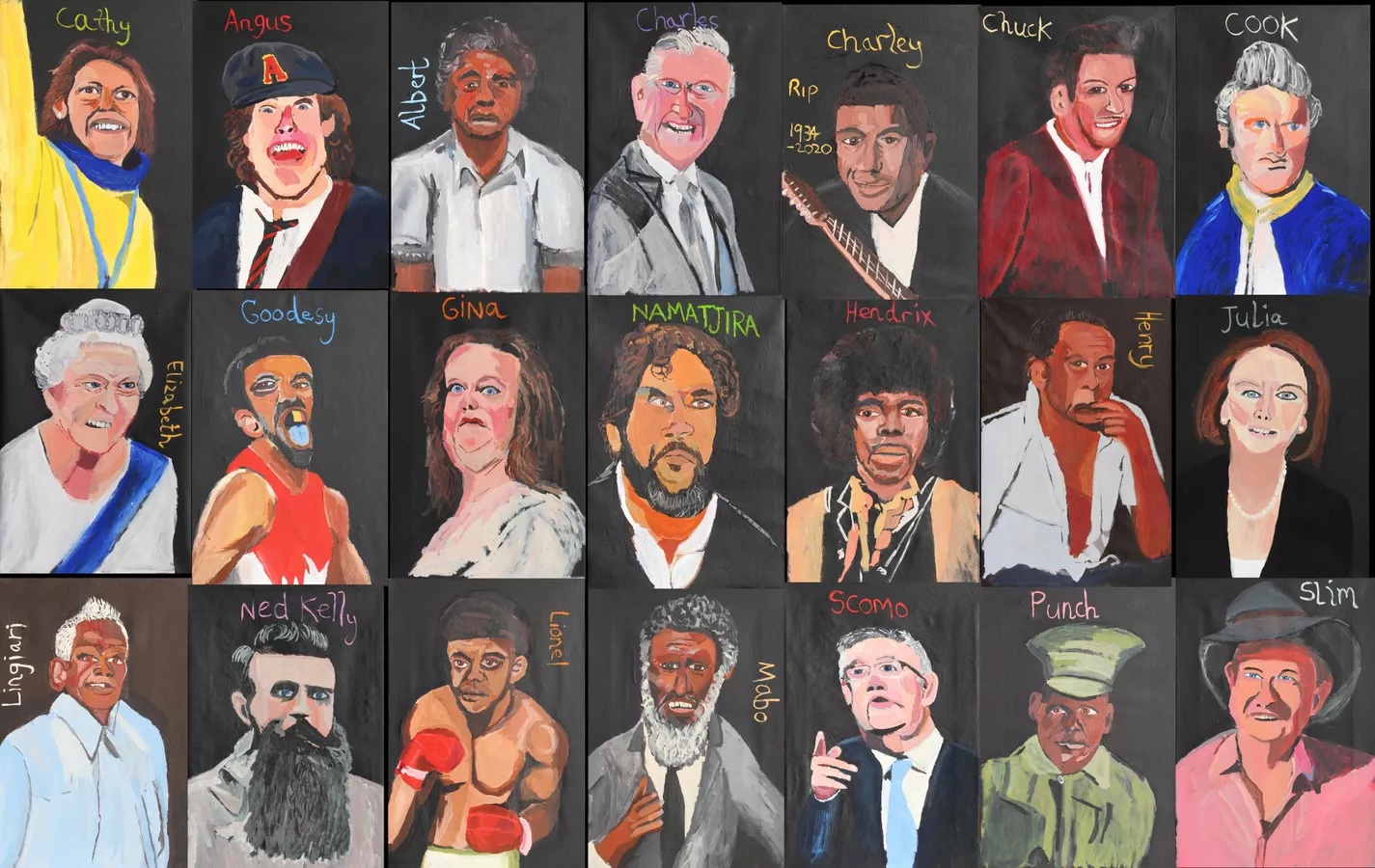
Kate explores how Australian artist Vincent Namatjira redefines portraiture to confront the legacies of colonialism while envisioning a more inclusive future—one expansive enough to embrace all Australians.

Clarke Reynolds (Mr. Dot) talks with the Art Review about interactive art, changing the narrative around blindness, and creating a world where art is more accessible for all.